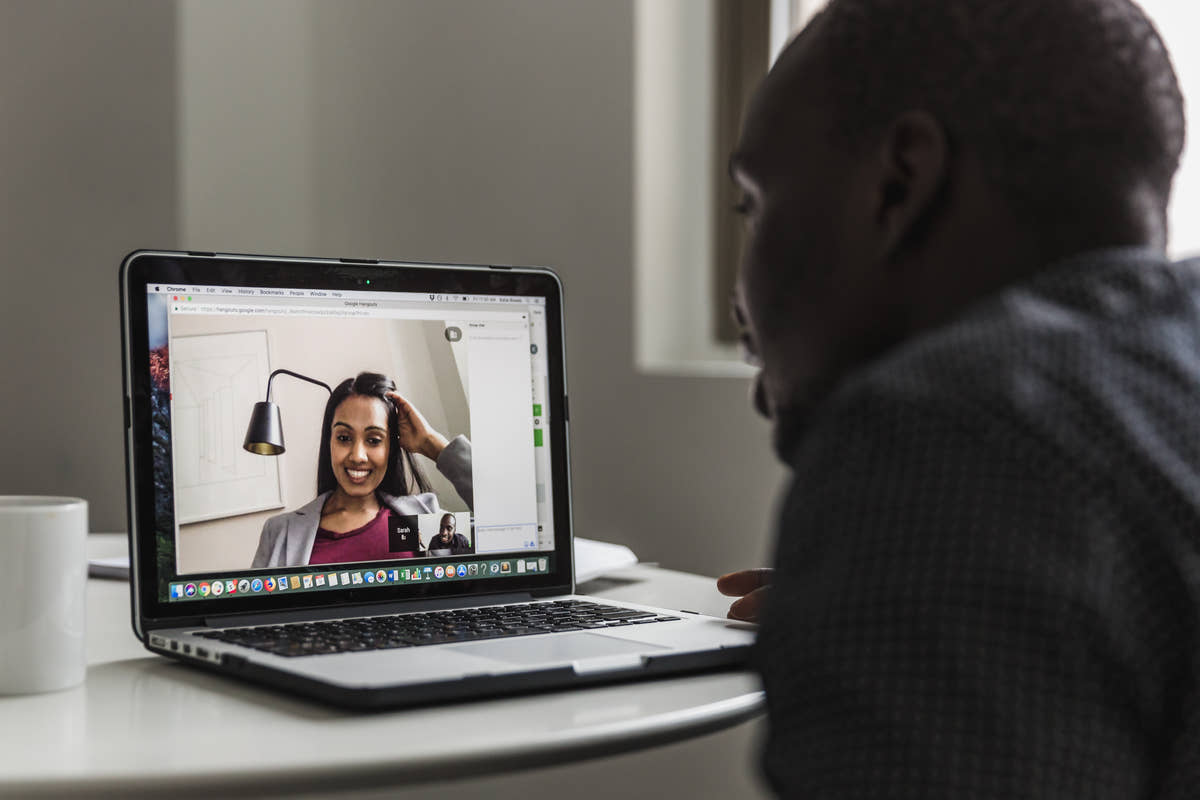
How to Video Call Someone New: Etiquette and Safety
How to video call someone you have just met: setting up before the call, handling the first two minutes, etiquette that people notice, and the safety rules that matter.
A first video call with someone new carries more weight than either person usually admits. You are not only having a conversation; you are also deciding, in the first few seconds, whether the other person seems like who they said they were. Knowing how to video call someone new is therefore a mix of practical setup and social judgement.
This guide covers both sides. The setup section is about the things you can control before the call starts: lighting, framing, audio and background. The rest is about the call itself, including the etiquette that people notice, the signals worth acting on, and how to end a call well.
None of it requires special equipment. Most of it takes about ten minutes of preparation.
Key Takeaways
- Test your camera, microphone and connection before the call, not during it.
- Face your light source and raise the camera to eye level.
- Repeat the last thing you heard if you miss it; guessing causes worse misunderstandings.
- Never move to a private app or share intimate images at a stranger's request.
- End the call before it runs out of energy rather than after.
Before the Call: Setup That Makes a Difference
Ten minutes of preparation separates a good first call from an awkward one. Start with your connection, because everything else depends on it. Close the applications that use bandwidth, and if you can, use a wired connection or sit near the router. Freezing mid-sentence reads as disinterest even when it is only your Wi-Fi.
Then check what the other person will actually see. Sit where the light falls on your face rather than behind you, raise the camera to eye level, and look at the strip of wall behind your head. Move anything you would not want a stranger to identify: post, documents, a laptop screen with work visible. Finally, wear headphones. They remove the echo that makes a call tiring and stop your own audio feeding back.
The First Two Minutes
The opening of a call does more work than any other part of it, and it is mostly about reducing pressure. Greet the person by the name they gave you, say something about where you are or what you have been doing, and ask one easy question. That is enough. A first call does not need a plan; it needs two people who are both willing to be a little awkward for a minute.
If the connection is poor, say so immediately. Signalling that the audio is breaking up is far better than pretending to hear and responding to the wrong thing. Repeat back what you did catch so the other person knows where to resume, and use video chat platforms built for low-bandwidth connections when you know your network is weak. Services such as CooMeet and FaceFlow adapt quality automatically, which is worth checking before a call you care about.
Etiquette That People Notice
Most video call etiquette is ordinary manners with a camera attached, but a few points are specific to the format.
- Look at the lens when you are speaking, not at the image of the other person. It feels unnatural and it reads as eye contact.
- Do not multitask. Typing, scrolling, or checking another screen is visible, and it ends more calls than anything else.
- Mute when you are not talking in a group call, and unmute deliberately rather than by habit.
- Ask before recording. A recording changes what a conversation is, and the other person is entitled to know.
- Do not comment on appearance in a first call, positively or otherwise. It shifts the conversation onto a subject the other person did not choose.
Safety Rules for a First Video Call
Unless you met on a platform you have reason to trust, assume the person on the other side is someone you do not yet know. That is not cynicism, it is the same standard you would apply to a stranger who approached you in public.
Keep the call inside the platform you met on. A moderated service has reporting tools and a record of what happened; a direct call does not. If someone pushes you to move to a private app within minutes, treat the urgency itself as the warning. Never send intimate images on a first call, and assume that anything you show can be screenshotted or recorded without your knowledge. If that happens to you, the Internet Watch Foundation handles reports about shared intimate images, and the FTC's guidance on romance scams explains the financial version of the same manipulation.
Our guide to 1v1 video chat goes deeper on the social side, and the safety advice from EFF is the place to start if you want to understand what a platform can see about you.
Ending the Call Well
A call should end while it is still going well. Waiting for a conversation to die makes the last five minutes the part both people remember, which is the opposite of what you want.
Say that you enjoyed it, and be specific about what you enjoyed; the detail is what makes the next conversation possible. If you want to talk again, say so plainly and let the other person respond. If you do not, a simple thanks and goodbye is a complete and respectful ending, and it does not require an excuse. On random matching services such as Shagle, Chatrandom and Bazoocam, ending a call is completely normal and requires no explanation at all. Room-based services are gentler for a first attempt, because you can watch a conversation before joining it: Meetzur and the wider anonymous chat category are built around that idea. Each of these publishes its own guidance, which is worth a look before you rely on it: Shagle, Chatrandom and Bazoocam.
Conclusion
A good first video call is mostly preparation and restraint. Fix your light and audio before the call, spend the first two minutes making the other person comfortable rather than impressive, follow the etiquette that everyone notices, and keep your private details and images out of it.
Then end it on a high point. The 1v1 video chat category has services built for exactly this kind of conversation, and if you find yourself running out of things to say, our guide to keeping a conversation going covers that specific problem.
Frequently asked questions
What should I do before a first video call?
Test your camera, microphone and internet connection, face your light source, raise the camera to eye level, clear anything identifying from the background, and put on headphones to stop echo.
Is it rude to look away during a video call?
Repeatedly looking away reads as disinterest. Look at the camera lens when you speak so the other person sees eye contact, and avoid second screens entirely.
Should I record a video call?
Only with clear permission from everyone on the call, asked before you start. Recording changes the nature of a conversation, and recording someone without consent is illegal in many countries.
How do I end a video call politely?
End it while the conversation is still going well. Say you enjoyed it, mention something specific, and either suggest talking again or simply thank them and say goodbye. No excuse is required.
What if the other person asks me to switch to another app?
Be cautious. Staying on the platform you met on keeps its reporting tools available. Pressure to move to a private app within minutes of meeting is a common warning sign of a scam.